Im Hopping Rudolph Eats the Naughty
The First Impression: A Festive and Playful Design
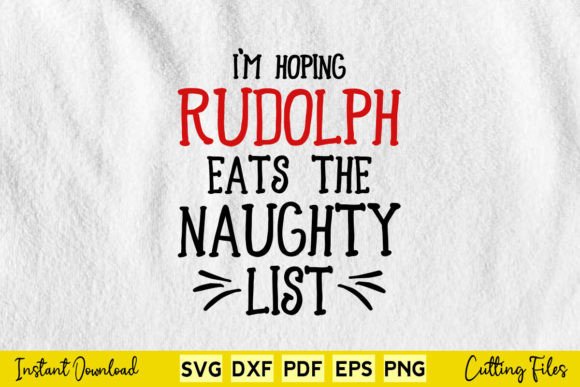
When I first saw Im Hopping Rudolph Eats the Naughty, I was immediately drawn to its festive energy. The design captures a whimsical holiday spirit with a touch of humor, making it ideal for seasonal projects. Rudolph, the iconic red-nosed reindeer, is depicted in a playful pose, seemingly munching on the naughty list—a clever twist that adds a layer of charm. The layout is clean and centered, with enough space around the main image to avoid clutter. It feels like something you'd see on a holiday card or a festive t-shirt.
Fitting Into Real Embroidery Projects
Im Hopping Rudolph Eats the Naughty works well as a machine embroidery design for custom apparel, especially t-shirts and sweatshirts. Its simple yet engaging theme makes it versatile for both personal and commercial use. I can imagine this design appearing on a custom tote bag or a holiday-themed sweater. It also has potential as an embroidered patch or a personalized gift for kids or collectors of vintage holiday memorabilia.
The design’s scale and detail level are balanced, which is a plus for embroidery work. It doesn’t feel too intricate for beginners, but still offers enough visual interest to stand out. This makes it a good fit for small shop products and craft business items where simplicity meets charm.
Practical Considerations for Real Use
While the design looks great on screen, there are a few practical considerations to keep in mind when using Im Hopping Rudolph Eats the Naughty in real-life embroidery projects. For example, the small text and detailed corners might be tricky to stitch clearly on thin or stretchy fabric. It’s always wise to test the design on scrap fabric first before committing to a final product.
Additionally, the design may not perform as well on dark fabric without proper thread color contrast. I recommend checking thread colors and stitch density to ensure clarity. If you're planning to use this design on a curved surface like a cap or a hat, make sure the file is optimized for such applications. A printable mockup can help you visualize how the design will look on different products before proceeding.
Where to Use Carefully
Some areas of Im Hopping Rudolph Eats the Naughty require careful attention. The tiny lettering and densely stitched areas could lose definition if not properly stabilized. Using the right stabilizer is crucial for maintaining stitch clarity, especially on textured fabrics or layered garments.
If you're working on a commercial embroidery project, consider the hoop size required for this design. Larger hoop sizes might be necessary for capturing all the details, particularly around the edges and corners. Testing the design on a black and white mockup can also help identify any issues with contrast or stitch visibility.
Visual Appeal and Customer Trust
The visual appeal of Im Hopping Rudolph Eats the Naughty is strong, but it's important to remember that customer trust is built on consistency and quality. As a digital embroidery file, this design should be clear and precise to maintain the intended aesthetic. When used on handmade products like pillow covers or kitchen towels, the design should complement the overall look without overwhelming the item.
For Etsy sellers and small business owners, ensuring that the design performs well on various surfaces is key. A high-quality embroidery project can elevate your brand and increase buyer engagement. Always check that the design is suitable for both personal and commercial use before selling finished items.
Design Notes for Embroidery Professionals
As an experienced designer, I would advise testing Im Hopping Rudolph Eats the Naughty on different fabric textures and lighting conditions to ensure it looks great in all settings. Confirming the license terms is also essential if you plan to sell finished products or digital assets. Always verify that the design is compatible with your embroidery machine and that it meets the standards for commercial embroidery.
Finally, don't forget to review the stitch density and running stitch to ensure the design remains crisp and readable. Whether you're creating a handmade product or a custom apparel item, attention to these details can make all the difference in the final outcome.